Introduction to Sthoulya (Obesity) in Ayurveda
In Ayurveda, obesity is not merely a matter of appearance or excess fat. It is referred to as Sthoulya, a chronic condition that arises from deeper imbalances within the body and mind. Unlike modern approaches that often focus solely on diet or exercise, Ayurveda views Sthoulya as a multi-layered issue involving digestion (Agni), toxin accumulation (Ama), and doshic imbalance—particularly of Kapha dosha.
A person with obesity in Ayurveda is said to have excess Meda Dhatu (fat tissue) due to improper transformation of food and nutrients. But even more crucial is the state of Agni—the metabolic fire—without which even nutritious food becomes a toxic burden.
Role of Agni, Ama, and Kapha Dosha
Three core concepts underpin the Ayurvedic understanding of obesity:
Agni (Digestive Fire)
Agni governs digestion, absorption, and transformation of food into energy. When Agni is strong, the body digests food efficiently and creates healthy tissues. Weak Agni, however, leads to Ama—sticky metabolic waste that clogs channels and disrupts fat metabolism.
Ama (Toxins)
Ama is a byproduct of undigested food and emotions. It accumulates in the system and settles into tissues, especially Meda Dhatu, leading to blockages, weight gain, and lethargy.
Kapha Dosha
Kapha represents structure, stability, and lubrication. In excess, it contributes to heaviness, water retention, sluggish metabolism, and emotional inertia. People with Kapha-dominant constitutions are more prone to obesity if their lifestyle promotes stagnation.
Emotional Causes: Prajnaparadha and Mental Inertia
Ayurveda acknowledges the psychological root of weight gain. One of the core philosophical errors is Prajnaparadha—the “mistake of the intellect.” It happens when a person knowingly goes against their better judgment—such as ignoring hunger cues, emotional overeating, or choosing comfort food during stress.
Many individuals also carry mental ‘Ama’—unprocessed emotions like grief, fear, or trauma that manifest as physical heaviness. Obesity in this view is not just fat on the body, but a protective response to internal suffering. When left unaddressed, emotional stagnation can slow down metabolism and trap a person in a cycle of disconnection and self-sabotage.
Ayurvedic Diagnosis: Understanding Prakriti and Vikriti
Before prescribing treatment, an Ayurvedic physician assesses:
- Prakriti (Constitution): The natural balance of Vata, Pitta, and Kapha you’re born with.
- Vikriti (Imbalance): The current state of doshic disturbance.
For example, a person may be naturally Kapha-prone, but stress may aggravate Vata, leading to emotional eating. Another may have a Pitta imbalance, resulting in overexercising and late-night binges due to performance pressure. Treatment is never one-size-fits-all—your inner blueprint defines your path to healing.
Key Lifestyle Corrections: Dinacharya, Mindful Eating, and Agni Restoration
Ayurveda places great emphasis on daily routine (Dinacharya) to reset the body’s biological clock and metabolic rhythm. Here are practical corrections:
Dinacharya (Daily Discipline)
- Wake before sunrise (Brahma Muhurta)
- Cleanse with warm water and tongue scraping
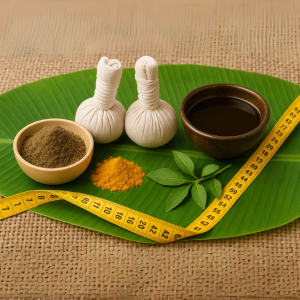
- Practice Abhyanga (oil massage) to reduce Kapha
- Move mindfully: yoga, walks, pranayama
- Eat meals at fixed times, with lunch as the heaviest
Mindful Eating
- Eat in silence, without distractions
- Chew thoroughly
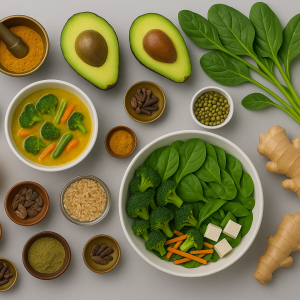
- Avoid cold drinks, leftovers, and processed food
- Eat only when hungry—not bored or stressed
Agni Restoration
- Sip warm ginger-cumin-fennel tea
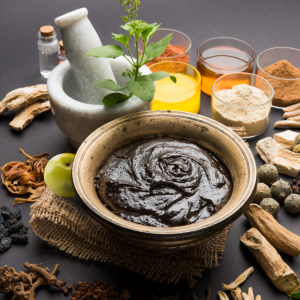
- Use spices like black pepper, trikatu, and ajwain
- Try mild fasting or early dinners (before sunset)
- Avoid combining incompatible foods (milk + fruits, etc.)
Realignment with Nature and Seasonal Rhythms
Our bodies are microcosms of the natural world. Ayurveda advises adapting lifestyle and diet based on seasonal guidelines—known as Ritucharya.
For instance:
- Spring (Kapha season): Emphasize spicy, bitter foods and detox herbs like Triphala.
- Summer (Pitta season): Eat light, cooling meals, and avoid heavy exertion.
- Winter (Vata-Kapha): Stay warm, eat nourishing stews, but avoid excessive eating.
By honoring these cyclical shifts, you align your physiology with nature’s intelligence—and prevent stagnation and weight gain.
Conclusion: Weight Loss is a Return to Balance
True weight management in Ayurveda isn’t about punishment or restriction. It’s about nourishing the fire within, releasing what no longer serves, and returning to the body’s natural intelligence. When digestion is kindled, emotions are processed, and lifestyle is aligned with nature, the body finds its own rhythm—and weight finds its own balance.